What is Hearing ?
Hearing: Harmonizing Sensory Input for Clear Communication and Vibrant Engagement.
At Global Speech & Hearing Clinic, we understand that hearing is a complex sensory process crucial for communication and engagement. Our comprehensive services encompass assessments and interventions tailored to individual needs, ensuring optimal hearing health and empowering clients to participate fully in daily activities for enhanced quality of life.

What is Hearing Loss?
Hearing Loss: Navigating Silence, Rediscovering Sound, and Restoring Connections.
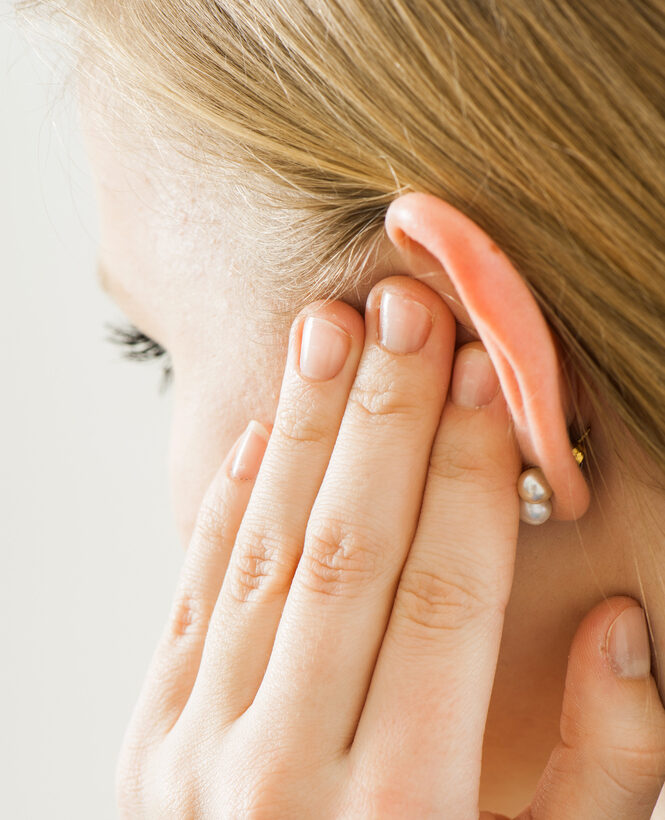
At Global Speech & Hearing Clinic, hearing loss is recognized as a significant barrier to communication and social interaction. Our specialized interventions address various types and degrees of hearing loss, aiming to optimize auditory function and improve quality of life by restoring access to the richness of sound and speech.
Types of Hearing Loss ?
Understanding the Spectrum: Types of Hearing Loss Explained for Clearer Pathways to Better Hearing Health.
Sensorineural Hearing Loss
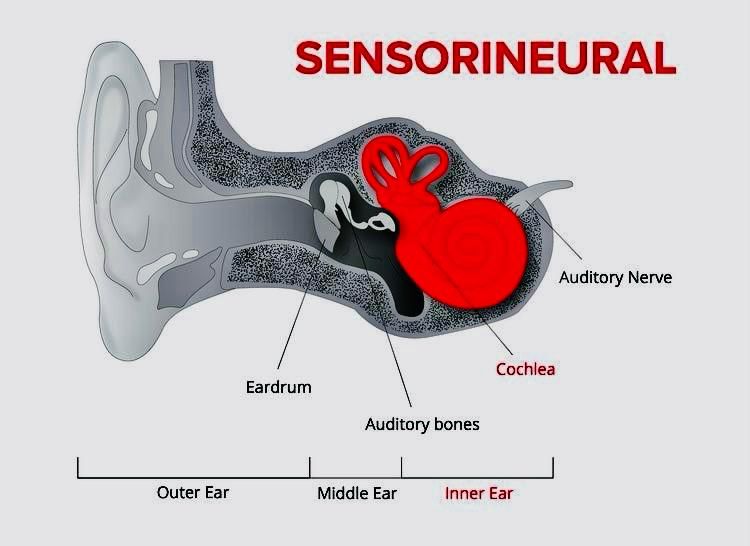
Sensorineural hearing loss, or SNHL, is the result of damage to the hair cells located in the inner ear (cochlea). Soft sounds may be hard to hear. Even louder sounds may be unclear or may sound muffled. SNHL is the most common type of HL. SNHL is a progressive disorder which in most cases is not treatable with medication or surgery. Most patients with SNHL benefit significantly with hearing aids.
Causes of Sensorineural Hearing Loss
This type of hearing loss can be caused by the following things:
Aging (Presbycusis)
Noise Exposure
Hereditary Issues
Certain Medications (ototoxicity)
Congenital problems
Head trauma
Increased risk associated with certain medical conditions e.g. diabetes and cardiovascular issues.

Conductive Hearing Loss
A conductive HL is the result of problems that interfere with the transmission of sound through the ear canal, eardrum or middle ear space.
Conductive hearing loss is often treatable with medication or surgical procedures.
Causes of Conductive Hearing Loss
This type of hearing loss can be caused by the following:
- Fluid in your middle ear
- Ear infection, or otitis media.
- Poor Eustachian tube function. The Eustachian tube connects your middle ear and your nose. Fluid in the middle ear can drain out through this tube. Fluid can stay in the middle ear if the tube does not work correctly.
- Perforation (hole) in your eardrum.
- Benign growths in middle ear. Often seen in surfers or individuals routinely exposed to cold water.
- Earwax (cerumen) blocking the ear canal.
- Infection in the ear canal, called external otitis. You may hear this called swimmer’s ear.
- A problem with how the outer or middle ear is formed. Some people are born without an outer ear. Some may have a deformed ear canal or have a problem with the bones in their middle ear.
- Mixed Hearing Loss
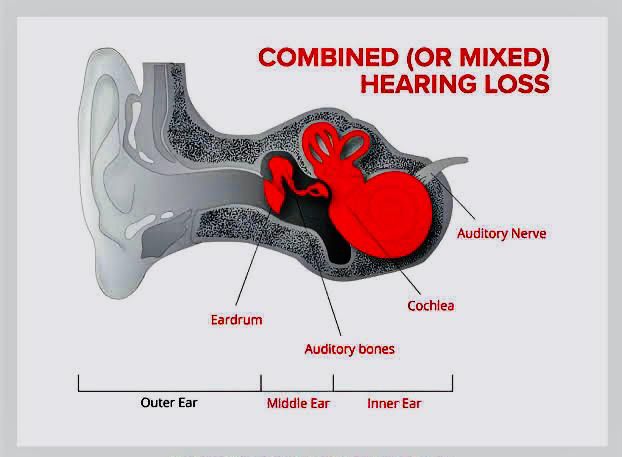
- Sometimes, a conductive hearing loss happens at the same time as a sensorineural HL, or SNHL. This means that there may be damage in the outer or middle ear and in the inner ear or nerve pathway to the brain. This is a mixed hearing loss.
Causes of Mixed Hearing Loss
Anything that causes a conductive hearing loss or SNHL can lead to a mixed hearing loss. An example would be if you have loss because you work around loud noises and you have fluid in your middle ear. The two together might make your hearing worse than it would be with only one problem.
What is Hearing aids?
Amplifying Life: Hearing Aids for Clearer Sounds and Vibrant Connections.
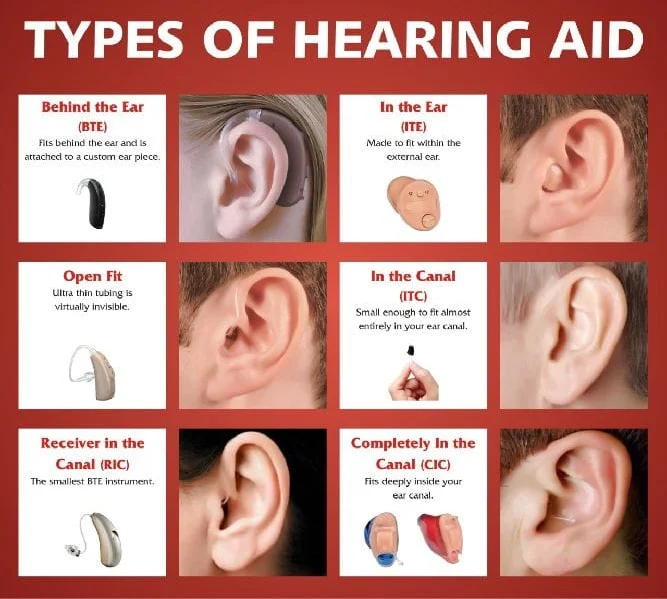
Hearing aids are advanced devices designed to enhance auditory perception for individuals with hearing loss. At Global Speech & Hearing Clinic, our comprehensive range of hearing aids includes various styles and technologies to suit different needs. Our expert audiologists provide personalized fittings and ongoing support to ensure optimal hearing outcomes and improved quality of life.
Sensorineural Hearing Loss
- Sensorineural hearing loss, or SNHL, is the result of damage to the hair cells located in the inner ear (cochlea). Soft sounds may be hard to hear. Even louder sounds may be unclear or may sound muffled.
- SNHL is the most common type of HL. SNHL is a progressive disorder which in most cases is not treatable with medication or surgery. Most patients with SNHL benefit significantly with hearing aids.
- Sensorineural hearing loss, or SNHL, is the result of damage to the hair cells located in the inner ear (cochlea). Soft sounds may be hard to hear. Even louder sounds may be unclear or may sound muffled.
Causes of Sensorineural Hearing Loss
- This type of hearing loss can be caused by the following things:
- Aging (Presbycusis)
- Noise Exposure
- Hereditary Issues
- Certain Medications (ototoxicity)
- Congenital problems
- Head trauma
- Increased risk associated with certain medical conditions e.g. diabetes and cardiovascular issues.
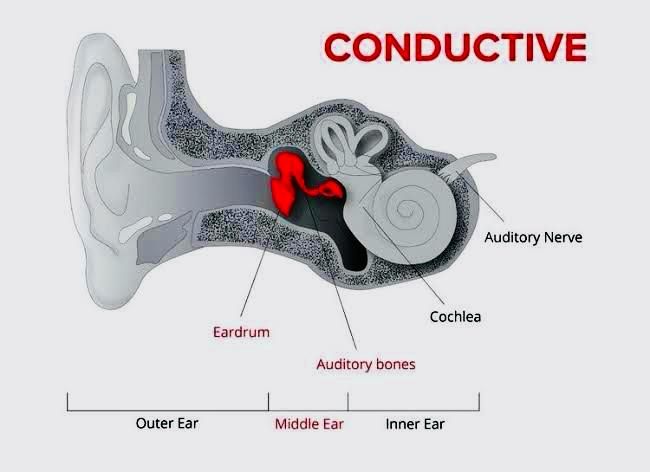
Conductive Hearing Loss
- A conductive HL is the result of problems that interfere with the transmission of sound through the ear canal, eardrum or middle ear space. Conductive hearing loss is often treatable with medication or surgical procedures. Causes of Conductive Hearing Loss
- This type of hearing loss can be caused by the following:
- Fluid in your middle ear
- Ear infection, or otitis media.
- Poor Eustachian tube function. The Eustachian tube connects your middle ear and your nose. Fluid in the middle ear can drain out through this tube. Fluid can stay in the middle ear if the tube does not work correctly.
- Perforation (hole) in your eardrum.
- Benign growths in middle ear. Often seen in surfers or individuals routinely exposed to cold water.
- Earwax (cerumen) blocking the ear canal.
- Infection in the ear canal, called external otitis. You may hear this called swimmer’s ear.
- Foreign body in ear canal. An example might be if your child put a pebble in his ear when playing outside.
- A problem with how the outer or middle ear is formed. Some people are born without an outer ear. Some may have a deformed ear canal or have a problem with the bones in their middle ear.
Mixed Hearing Loss
- Sometimes, a conductive hearing loss happens at the same time as a sensorineural HL, or SNHL. This means that there may be damage in the outer or middle ear and in the inner ear or nerve pathway to the brain. This is a mixed hearing loss.
- Causes of Mixed Hearing Loss
- Anything that causes a conductive hearing loss or SNHL can lead to a mixed hearing loss. An example would be if you have loss because you work around loud noises and you have fluid in your middle ear. The two together might make your hearing worse than it would be with only one problem.